Mobile tire & A/C specialists · Aventura, North Miami-Dade
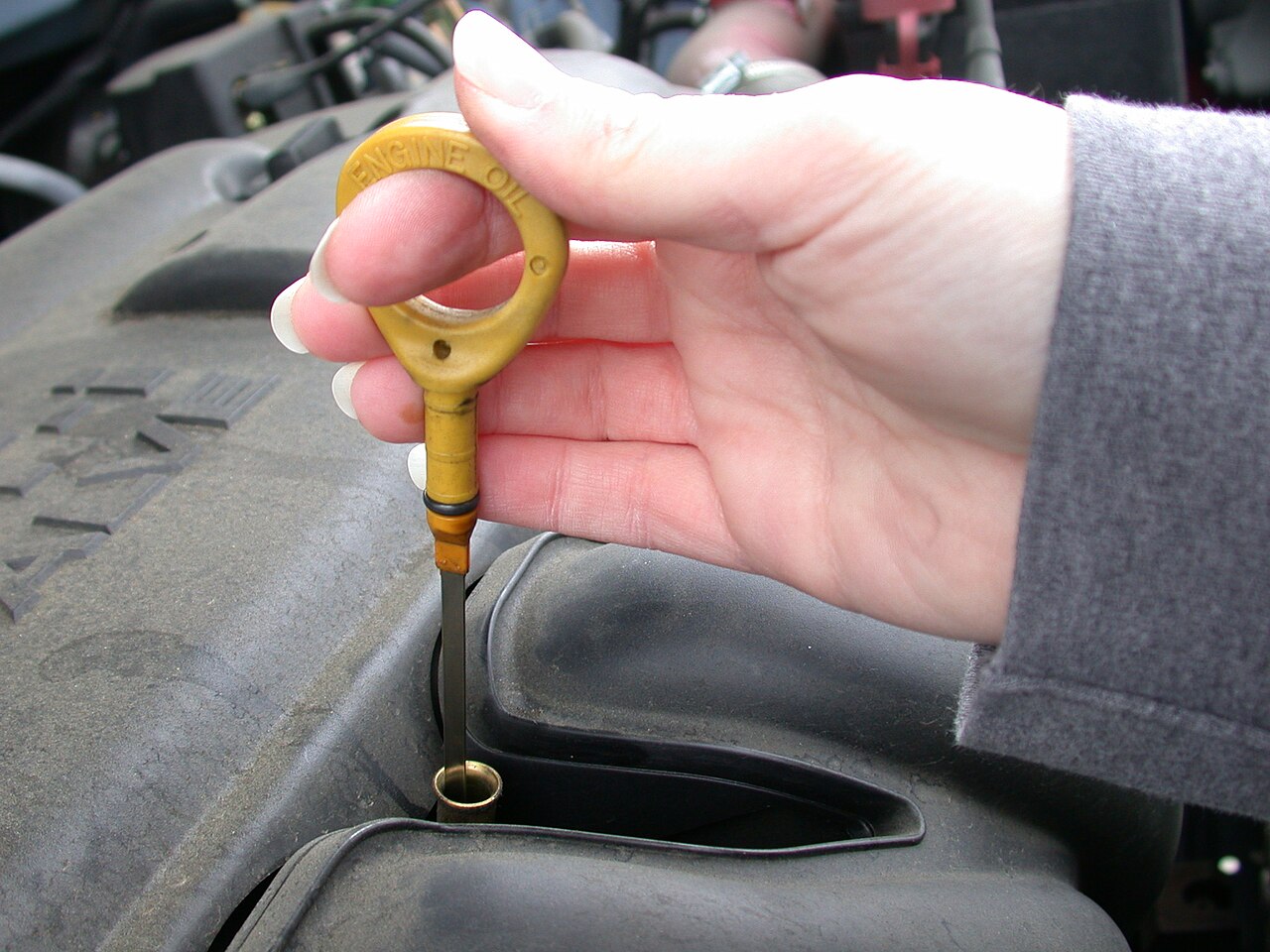
You're pulling into the covered spot at your Aventura condo building around 7:15 a.m., coffee in hand, and the dashboard reminder chimes: "Oil Change Due." You pop the hood, pull the dipstick, and the oil looks black — like coffee left overnight on the counter. Panic starts to rise. Is the engine shot? Did you wait too long? You wipe the stick on a paper towel from the glove box and stare at the dark smear, wondering if you need a tow or just a Tuesday appointment.
Dark oil alone does not mean your engine is damaged. Oil turns black because it's doing its job — trapping soot, carbon, and tiny metal particles that would otherwise build up inside the engine. Most modern engines run fine with oil that looks black at 3,000 to 5,000 miles; the real warning signs are milky color, gritty texture, or a burnt smell.
What does fresh oil look like when it goes in?
Fresh conventional oil pours in a honey-amber color, about the shade of iced tea held up to the sun. Synthetic oil starts lighter — almost clear with a golden tint. Both feel slippery between your fingers, like vegetable oil but thinner. That clean look lasts about 200 miles. After that, the detergent additives start grabbing combustion byproducts, and the color shifts. Think of it like a sponge: a new sponge is clean, but after wiping a counter it holds the dirt so the surface stays clean. The oil holds the dirt so your engine passages stay clean.
Why does oil turn dark so fast?
Every time a piston fires, a tiny bit of fuel burns incompletely. That leaves carbon soot — microscopic black particles. The oil's detergent package surrounds each particle and keeps it suspended instead of letting it stick to piston rings or valve stems. Heat also plays a role. South Florida engines run hot; a typical commute on Biscayne Boulevard in August pushes oil temps past 220°F. Heat accelerates oxidation, which darkens the base oil itself. Neither soot nor oxidation means the oil has failed. They mean it's working. The oil filter catches the bigger chunks, but the finest soot stays in suspension, turning the whole batch dark brown to black.
When is dark oil actually a problem?
Color alone lies. Texture and smell tell the truth. Rub a drop between your thumb and forefinger. It should feel smooth, like hand lotion. If you feel grit — like fine sand — that's metal wear or carbon buildup the filter missed. Smell the dipstick. Hot oil has a distinct petroleum odor. A sharp, acrid, burnt-toast smell means the oil has broken down from overheating. Milky or foamy oil — like a chocolate milkshake — means coolant is mixing in. That's a head gasket or crack, not an oil issue. Those three signals — grit, burnt smell, milky look — are the real red flags. Black and smooth with a normal oil smell? That's just used oil.
How to check your oil color the right way
Park on level ground. In Aventura, that means your condo garage floor or a flat driveway — not the sloped visitor spots near the pool. Let the engine sit at least ten minutes after shutdown so oil drains back to the pan. Pull the dipstick, wipe it clean with a lint-free rag (paper towels leave fibers), reinsert fully, then pull again. Hold it horizontal under good light — a phone flashlight works. Look at the oil on the stick, not the dipstick tube. The crosshatch or dot area shows the level; the color on that flat section is what you judge. Do this once a month, or every other fill-up if you drive the Collins Avenue corridor daily.
What do other oil colors mean?
Milky tan or creamy foam: coolant leak. Could be a blown head gasket, cracked block, or failed oil cooler. Stop driving. Call us.
Silver glitter: metal flakes. Bearings or cam lobes wearing. Stop driving. Call us.
Thick, tar-black sludge that clings like roofing tar: severe neglect or wrong viscosity. Engine may already have damage.
Gasoline smell on the dipstick: fuel dilution from short trips where the engine never fully warms up. Common in stop-and-go traffic on the Palmetto. Shortens oil life — change it sooner.
Reddish tint: automatic transmission fluid leaking into the engine. Rare but happens on some models with shared coolers.
Here's a quick way to see the difference between normal dark oil and the warning signs:
The video below is ChrisFix's complete guide to changing your own oil — a full DIY walkthrough from drain to fill. It's worth watching once you've decided your oil needs changing: you'll see what fresh oil looks like going in, how it drains out looking nothing like the honey-amber pour you started with, and every step of the change done properly in a home driveway. Good context for the dipstick checks in this guide.
When to call us
If your dipstick shows milky foam, silver glitter, a strong burnt smell, or the oil level drops more than a quart every 1,000 miles, don't guess. Call Aventura Mobile Auto Care at (786) 892-8110. We come to you in Aventura and nearby — condo garages, office parks, driveways — Monday through Saturday, 8 a.m. to 8 p.m. We'll pull a sample, run a quick inspection, and tell you straight whether it's a routine change or something that needs a shop. No pressure, just the facts.