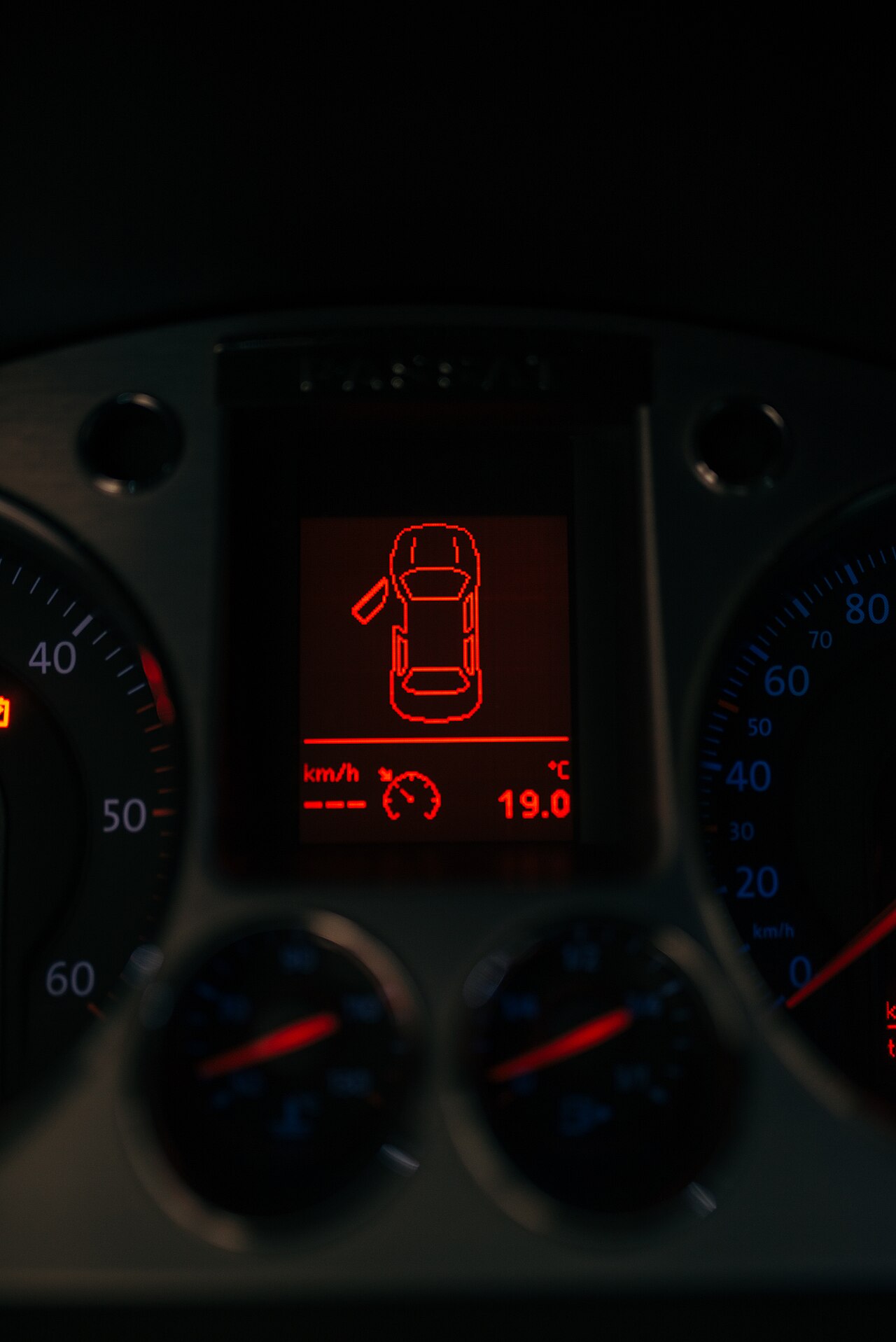
Imagine you're driving down NE 12th Ave in Aventura, the sun setting over Biscayne Bay, when suddenly your dashboard lights up like a Christmas tree. The check engine light, the oil pressure warning, the tire pressure light—all flashing at once. You pull over, and your heart races. What do these lights actually mean? Are they just telling you to get your car checked, or is there something more serious going on?
Why Do Dashboard Warning Lights Come On?
Dashboard warning lights are your car's alarm system. They come on when the car detects something wrong or something that needs attention — low tire pressure, a failing battery, an engine problem. The first thing to learn is that not all warning lights are equal, which is exactly what the color system tells you.
How Do You Know Which Warning Light Is the Most Serious?
Look at the color first, then the symbol. But when you want the real story behind a check-engine light, you read the trouble code. OBD-II trouble codes start with a letter for the SYSTEM — P = powertrain (engine/transmission), B = body, C = chassis (ABS, steering), U = network/communications. Example: P0301 means powertrain, cylinder 1 misfire. "Pending" vs "stored/confirmed" vs "permanent" are code STATUSES (how many drive cycles the fault has persisted), not what the letters mean. A basic OBD-II scanner ($20-40 at any auto parts store) reads P-codes; B/C/U codes often need a better scanner.
In general, it's a good idea to have your car checked by a professional as soon as possible if you see any warning lights on your dashboard. This is especially true if you notice any of the following symptoms: reduced fuel efficiency, strange noises coming from the engine, or difficulty starting the car. These could be signs of a more serious problem that needs immediate attention.
What Should You Do If You See a Warning Light?
If a red light comes on — oil pressure, brake system, coolant temperature — pull over to a safe spot and shut the engine off. Those mean stop driving, not "drive to the shop." For a yellow/amber light like check engine or TPMS, you can usually drive carefully to get the code read, but don't put it off for weeks. If you're not sure what a light means, your owner's manual has a picture of every symbol — faster than guessing.
Can You Drive With a Warning Light On?
Red light: no. An oil-pressure or brake warning means something is failing right now, and driving further can destroy the engine or leave you with no brakes. Amber light: usually yes, carefully and briefly — a steady check-engine light for a loose gas cap won't strand you today, but get the code read within a few days. The exception is a flashing check-engine light, which means an active misfire that can overheat and kill your catalytic converter — ease off the gas and get it checked the same day.
This video provides a comprehensive guide to understanding your dashboard warning lights. It covers the different types of warning lights, what they mean, and what you should do if you see one. The video also provides tips on how to interpret trouble codes and what steps to take to address the issue. Whether you're a first-time car owner or a seasoned driver, this video is a valuable resource for anyone looking to better understand their car's warning lights. The video explains the color system in detail: red means stop as soon as it's safe (oil pressure, brake system, coolant temperature—driving further can destroy the engine or leave you with no brakes). Yellow/amber means caution, check soon (check engine, TPMS, ABS). Green/blue means information only (headlights, cruise control, turn signals). It also covers how to read OBD-II trouble codes, including the system letters (P, B, C, U) and code statuses (pending, stored/confirmed, permanent). The video shows how to use a basic OBD-II scanner and when to get a better scanner for B/C/U codes. It includes a simple DIY check for a check-engine light: tighten the gas cap until it clicks 3 times, drive 2-3 days; if the light stays on, get the code read. The video emphasizes that all warning lights should be taken seriously and addressed promptly to avoid more expensive repairs down the road.
What Are Some Common Warning Lights and What Do They Mean?
- Check engine: loose gas cap up to serious faults (oxygen sensor, spark plugs, catalytic converter). Get the code read.
- Oil pressure (red): stop driving. Oil pump failure, leak, or filter problem — the engine is running without proper lubrication.
- Tire pressure (amber): one or more tires low. Check pressures cold against the door-jamb sticker.
- Battery/charging (red): alternator or battery failure — you're running on battery alone, and it will die.
- Brake system (red): low brake fluid or hydraulic fault. Check the parking brake first; if the light stays on, don't drive.
How Can You Prevent Warning Lights From Coming On?
- Keep up with maintenance: oil changes, tire rotations, and brake inspections catch problems before the dash tells you.
- Check fluids monthly: oil, coolant, brake fluid. Low levels trigger lights.
- Check tire pressure monthly: tires lose roughly 1 PSI per month on their own; South Florida heat swings speed that up.
- Pay attention early: a new noise, a smell, worse mileage — the car talks before the lights do.
How to Check Your Gas Cap for a Check Engine Light
One of the simplest and most effective DIY checks for a check-engine light is the gas-cap check. Here's how to do it:
- Twist the gas cap off, check the rubber seal for cracks, then tighten it until it clicks 3 times.
- Drive normally for 2-3 days. The light often clears on its own once the system seals.
- If the light stays on, get the code read — a basic OBD-II scanner ($20-40 at any auto parts store) reads P-codes; B/C/U codes often need a better scanner.
This simple check can often resolve the issue, but if the light persists, it's best to have a professional diagnose the problem.
When to call us
If you're not sure how to interpret the trouble codes or what steps to take to address the issue, it's a good idea to have your car checked by a professional. At Aventura Mobile Auto Care, we have a team of experienced technicians who can help you with all of your car's needs. We offer a variety of services, including oil changes, tire rotations, brake inspections, and more. Contact us today at (786) 892-8110 to schedule an appointment in Aventura and nearby.
```