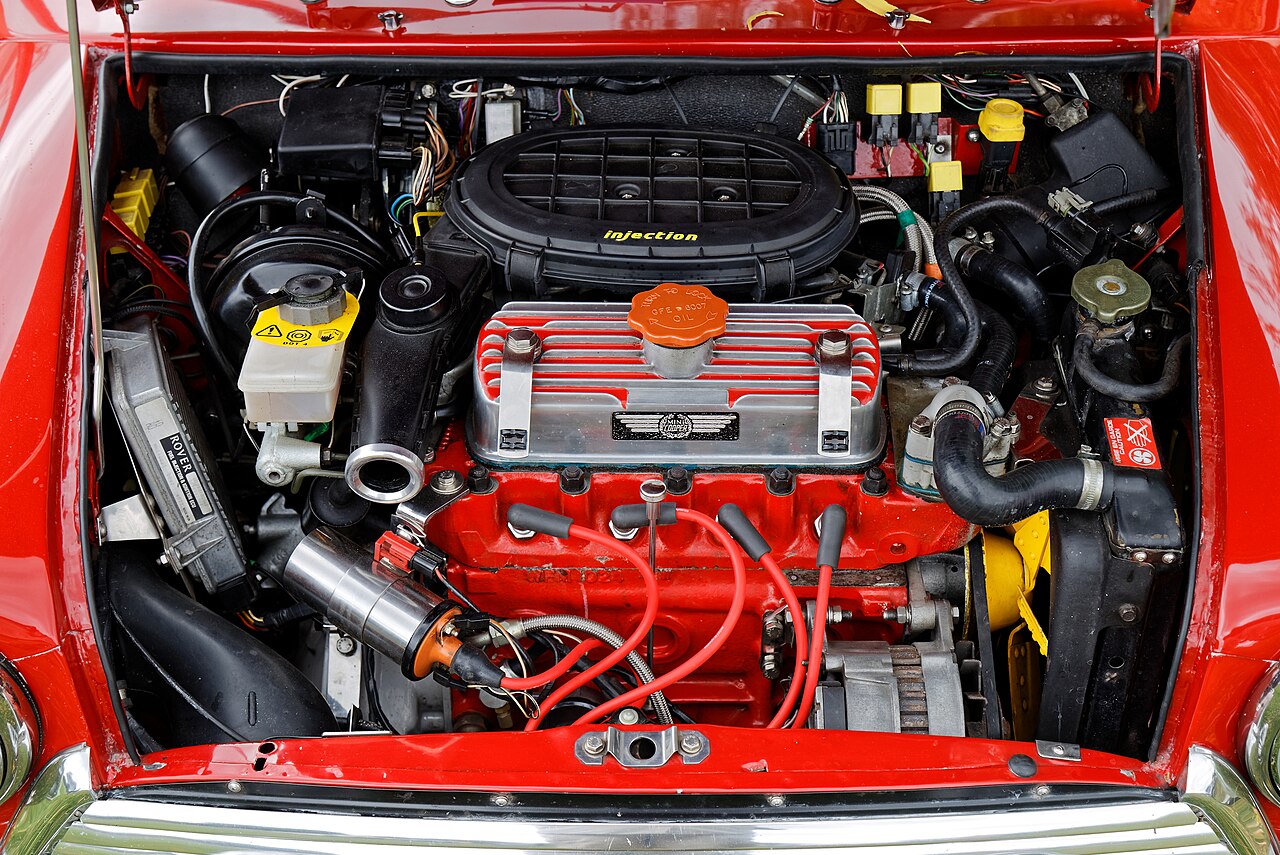
Why does hose condition matter in South Florida heat?
The cooling system runs under pressure — usually 13 to 16 pounds per square inch — and that pressure pushes against every inch of rubber from the inside. Heat accelerates rubber breakdown. In Aventura, where summer heat bakes under-hood components and humidity routinely sits near 80 percent, hoses age faster than they do up north. The constant heat cycles — engine hot, engine cold, engine hot — make the rubber expand and contract thousands of times. Salt air from the Intracoastal doesn't help either; it settles on engine components and speeds up corrosion at the hose clamps. A radiator hose carries coolant — a mix of water and antifreeze — between the engine and the radiator. The upper hose takes hot coolant from the engine to the radiator. The lower hose pulls cooled fluid back into the engine. Heater hoses run to the heater core inside the dashboard. All of them face the same enemy: time plus heat.What tools do you need for the squeeze test?
You need your hands, a flashlight, and a clean rag. That's it. No special tools. No gauges. The squeeze test is exactly what it sounds like: you squeeze the hose and feel what it tells you. A bright flashlight helps you see cracks, bulges, or wet spots around the clamps that your fingers might miss. The rag wipes away grime so you can actually see the rubber surface.When should you check — engine hot or cold?
Always check when the engine is stone cold. Overnight cold is best. A hot hose is pressurized and expanded; squeezing it can spray scalding coolant on your hands, face, or eyes. Even a warm hose gives a false reading because heat softens rubber temporarily. Wait at least three hours after driving, or check first thing in the morning before you start the car. If you just drove from Fort Lauderdale to Aventura on I-95, the engine holds heat for a long time. Be patient.How do you do the squeeze test step by step?
First, locate every hose you can reach. Start with the upper radiator hose — thick, usually black, running from the top of the radiator to the engine. Then the lower radiator hose, often harder to reach from above. Follow the two smaller heater hoses from the firewall toward the engine. Some cars have a bypass hose near the thermostat housing. Check them all. Second, wipe each hose clean with your rag. Dirt hides cracks. Oil residue from a leaking valve cover gasket eats rubber from the outside. Clean rubber shows the truth. Third, squeeze the hose every inch along its length. Use your thumb and forefinger. Press firmly. A good hose feels like a firm rubber garden hose — it resists your squeeze and snaps back to round when you let go. A bad hose feels like a ripe banana — soft, mushy, or it stays dented where you pressed. That dent means the inner reinforcement layers have separated from the outer cover. The hose is rotting from inside out. Fourth, check the ends near the clamps. Clamp areas fail first because the metal band cuts into the rubber over time. Look for cracks radiating outward from the clamp, or a swollen ring just behind the clamp. Feel for wetness — dried coolant leaves a white, crusty residue that feels like fine salt. Fifth, flex the hose gently side to side. A healthy hose bends. A hose with internal cracking feels stiff or makes a faint crunching sound — that's the fabric reinforcement breaking inside the rubber.What does a bad hose feel like compared to a good one?
Think of a new garden hose versus one that's sat in the sun for three summers. The new one pushes back when you squeeze it. The old one collapses like a wet noodle. Radiator hoses work the same way. The difference is that a garden hose leak makes a mess on the lawn. A radiator hose leak dumps your coolant in minutes, the engine overheats, and you're calling a tow truck from the shoulder of the Julia Tuttle Causeway.What visual signs confirm the squeeze test?
Cracks running across the hose — not along it — mean the rubber has dried out and lost elasticity. Bulges or blisters mean the inner tube has separated from the reinforcement layer; pressure pushes the weak spot outward like a bubble on a bicycle tire. A hose that's collapsed flat where it bends has lost its internal spring wire (some lower hoses have a wire coil inside to prevent collapse under suction). Wet spots or white crust at the clamps mean the seal is weeping. Any of these signs, plus a soft squeeze test, means the hose is done.Here's a video that shows how to check a radiator hose by feel and by sight, and what a failing hose looks like:
The video above is a hands-on look at radiator hose inspection and replacement — a good visual companion to the checks described in this guide.
How often should you check hoses in Aventura?
Every oil change is a good rule — roughly every 5,000 to 7,500 miles or twice a year. In South Florida, make it a habit before summer sets in, then again in the fall. Tie the check to something you already do — oil change, tire rotation, pressure check — and it won't slip through the cracks.
When to call us
DIY is great, but some jobs need a pro. If the problem persists, you spot anything dangerous, or you'd rather have an expert handle it, call (786) 892-8110 — Aventura Mobile Auto Care serves Aventura and nearby (Mon-Sat 8AM-8PM). No pressure, no upsells.