Why does a quick glance under the cap reveal more than any mechanic's scan tool?
Most people focus almost exclusively on digital diagnostics, but a hands-on visual inspection during a monthly routine gives you a broader picture. Think of your car's engine like a kitchen — the hood is the stove, and the under-hood space is where everything comes together. When you check the belts, hoses, and fluid lines while the engine is cold, you're essentially prepping your kitchen before dinner. You spot worn rubber, cracked hoses, or low coolant before they cause a breakdown. That 15-minute stretch becomes your weekly maintenance ritual rather than a months-long project. The reason this works is simple physics. Heat builds up in the engine block faster than in the rest of the vehicle. Coolant temperatures typically climb toward 190°F under heavy load in South Florida summer conditions, and when they exceed safe thresholds, the engine can begin to warp internally. A stretched serpentine belt or a partially collapsed hose creates a mechanical imbalance that raises operating temperatures further. By catching a slipping belt at 12 PSI loss from normal tension, you prevent the catastrophic chain reaction of a snapped belt leaving the crankshaft alive. The cost difference between a $45 belt replacement and a $1,200 transmission rebuild is staggering — and that gap widens when you factor in the labor hour rates across our service area. You also develop pattern recognition. When you've done monthly checks for six months, you start to notice subtle changes. A hose that was slightly soft three weeks ago might now have a pronounced bulge. A belt that looked fine yesterday shows tiny signs of glazing near the idler pulleys. These early indicators are invisible to a scanner that only reads OBD-II codes. The human eye, especially under warm South Florida sunlight filtering through the windshield, picks up irregularities that machines miss entirely.What do you actually see when you lift the hood during your monthly check?
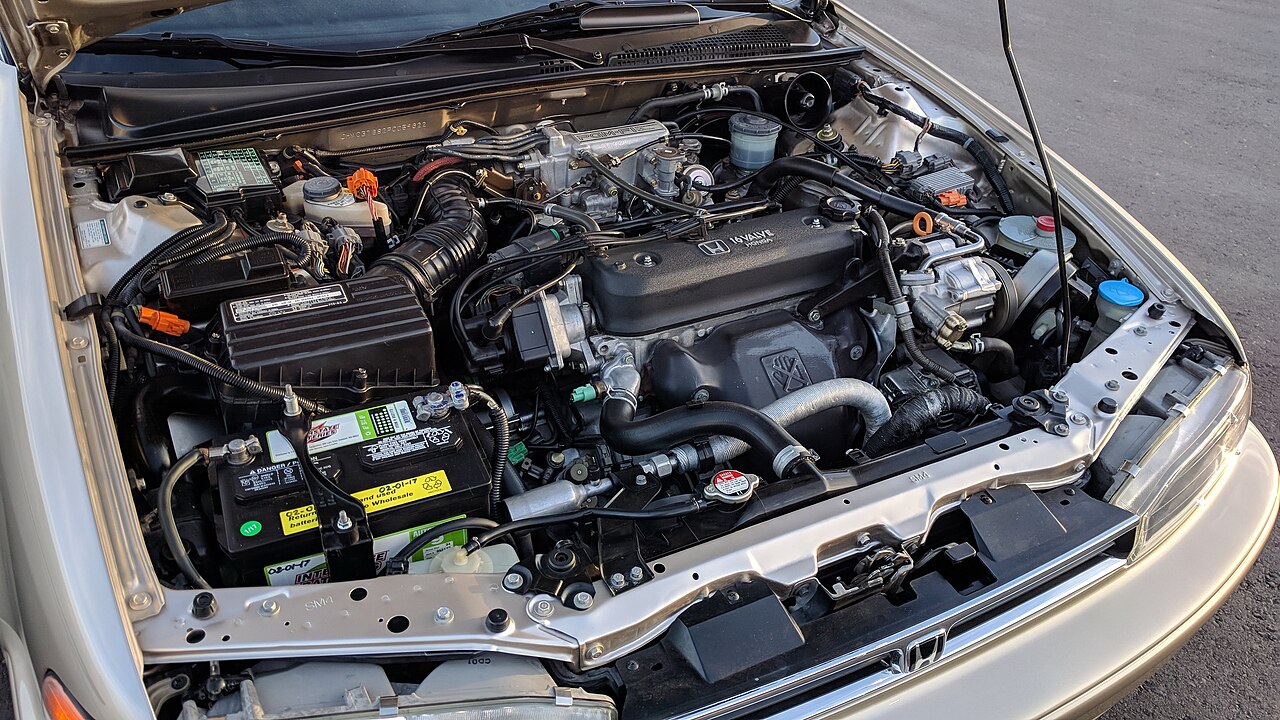
First, you'll notice the engine's oil dipstick is still clean and the color looks amber, not black or gritty. Amber indicates healthy lubrication; black suggests burning and requires immediate attention. Next, trace the serpentine belt around the pulleys — any cracks, glazing, or fraying means soon it'll snap and leave you stranded on the shoulder. Look for the characteristic "bird's nest" pattern of worn material where friction has eroded the rubber. Then inspect the radiator hoses for bulges, soft spots, or leaks that might spray hot fluid onto the road, which could drip onto your shoes and create a slip hazard. The upper radiator hose should have firm elasticity throughout; a spongy section means internal degradation and potential overheating. Finally, look at the thermostat housing and upper radiator hose connector for corrosion, rust, or damage that could compromise cooling efficiency. Rust spots on the aluminum threads can lead to complete hose detachment. The thermostat itself may have stuck closed, causing the engine to run inefficiently and strain the cooling system further. These four zones — belt, hoses, oil condition, thermostat – form the bulk of what you should examine each month. If you find any damaged components, mark them with a bright yellow flag and note the date. Don't rely on memory alone; write down each finding with the timestamp. This documentation is invaluable when you return for your next visit, giving you and our technicians a clear record of progression or regression. Many customers underestimate how quickly small failures cascade into major problems, especially in the humid environment unique to South Florida. A minor hose leak that goes unnoticed for a week can raise ambient cabin temperature by 5-8 degrees, making each ride less comfortable and increasing fuel consumption.Another local scenario: the I-95 approach near Biscayne Blvd
Consider a June evening on US-331 near Biscayne Boulevard in the Aventura district. You arrive home with a car that has been sitting in traffic for forty minutes, and the air conditioning blows lukewarm air. The dashboard warning light flickers briefly before going dark. You suspect something is wrong with the cooling system, but you can't diagnose it from the driver's seat. This is when a monthly visual inspection pays dividends. During your weekly routine, you'll discover that the lower radiator hose connecting the radiator to the engine has developed a hairline crack near the firewall mounting point. At this moment, the hose is leaking coolant onto the engine block, creating localized boiling that degrades oil viscosity and accelerates wear. The fix is straightforward — replace the hose with a $28 OEM part and apply anti-seize compound to prevent future slippage. Without that monthly check, the crack had already grown larger, and the customer would have faced a $600 engine gasket job instead.The science behind this is straightforward: coolant boils at 212°F at sea level, but under sustained high heat in South Florida summer, boiling can occur at 180-200°F. Even a small leak allows continuous vapor formation that washes away protective films and exposes metal surfaces to rapid oxidation. Each drop of coolant lost reduces the cooling capacity by a measurable amount, and the engine compensates by running hotter, which eats brake pads, transmissions, and eventually the engine itself. A $30 hose replacement prevents a $500+ repair bill and extends the life of the entire cooling circuit.
Why does a quick glance under the cap reveal more than any mechanic's scan tool?
Most people focus almost exclusively on digital diagnostics, but a hands-on visual inspection during a monthly routine gives you a broader picture. Think of your car's engine like a kitchen — the hood is the stove, and the under-hood space is where everything comes together. When you check the belts, hoses, and fluid lines while the engine is cold, you're essentially prepping your kitchen before dinner. You spot worn rubber, cracked hoses, or low coolant before they cause a breakdown. That 15-minute stretch becomes your weekly maintenance ritual rather than a months-long project. The reason this works is simple physics. Heat builds up in the engine block faster than in the rest of the vehicle. Coolant temperatures typically climb toward 190°F under heavy load in South Florida summer conditions, and when they exceed safe thresholds, the engine can begin to warp internally. A stretched serpentine belt or a partially collapsed hose creates a mechanical imbalance that raises operating temperatures further. By catching a slipping belt at 12 PSI loss from normal tension, you prevent the catastrophic chain reaction of a snapped belt leaving the crankshaft alive. The cost difference between a $45 belt replacement and a $1,200 transmission rebuild is staggering — and that gap widens when you factor in the labor hour rates across our service area. You also develop pattern recognition. When you've done monthly checks for six months, you start to notice subtle changes. A hose that was slightly soft three weeks ago might now have a pronounced bulge. A belt that looked fine yesterday shows tiny signs of glazing near the idler pulleys. These early indicators are invisible to a scanner that only reads OBD-II codes. The human eye, especially under warm South Florida sunlight filtering through the windshield, picks up irregularities that machines miss entirely.What do you actually see when you lift the hood during your monthly check?
First, you'll notice the engine's oil dipstick is still clean and the color looks amber, not black or gritty. Amber indicates healthy lubrication; black suggests burning and requires immediate attention. Next, trace the serpentine belt around the pulleys — any cracks, glazing, or fraying means soon it'll snap and leave you stranded on the shoulder. Look for the characteristic "bird's nest" pattern of worn material where friction has eroded the rubber. Then inspect the radiator hoses for bulges, soft spots, or leaks that might spray hot fluid onto the road, which could drip onto your shoes and create a slip hazard. The upper radiator hose should have firm elasticity throughout; a spongy section means internal degradation and potential overheating. Finally, look at the thermostat housing and upper radiator hose connector for corrosion, rust, or damage that could compromise cooling efficiency. Rust spots on the aluminum threads can lead to complete hose detachment. The thermostat itself may have stuck closed, causing the engine to run inefficiently and strain the cooling system further. These four zones — belt, hoses, oil condition, thermostat — form the bulk of what you should examine each month. If you find any damaged components, mark them with a bright yellow flag and note the date. Don't rely on memory alone; write down each finding with the timestamp. This documentation is invaluable when you return for your next visit, giving you and our technicians a clear record of progression or regression. Many customers underestimate how quickly small failures cascade into major problems, especially in the humid environment unique to South Florida. A minor hose leak that goes unnoticed for a week can raise ambient cabin temperature by 5-8 degrees, making each ride less comfortable and increasing fuel consumption. The video guides you through each critical zone, starting with the exterior coolant reservoir to identify discoloration patterns that indicate internal leaks. You learn to feel the serpentine belt for flex characteristics — too stiff means premature wear, too loose means imminent failure. The demonstration shows how to press the lower radiator hose gently to detect hidden leaks before they become catastrophic. For oil, the instructor explains the "float film" technique where a clean rag placed against the sump reveals whether the oil pan is clear or contaminated. These practical demonstrations bridge the gap between theory and the garage bench reality of our mobile shops.By watching this walkthrough, you'll understand exactly what to look for during your own monthly routine. The principles demonstrated here translate directly to our mobile auto care visits — you'll recognize the same signs when you're on the shoulder in NE 635 or waiting at a redlight on Biscayne Boulevard. Whether you're a homeowner who maintains your car personally or a commuter relying on our Aventura Mobile Auto Care team, the visual inspection checklist remains consistent regardless of location or experience level.