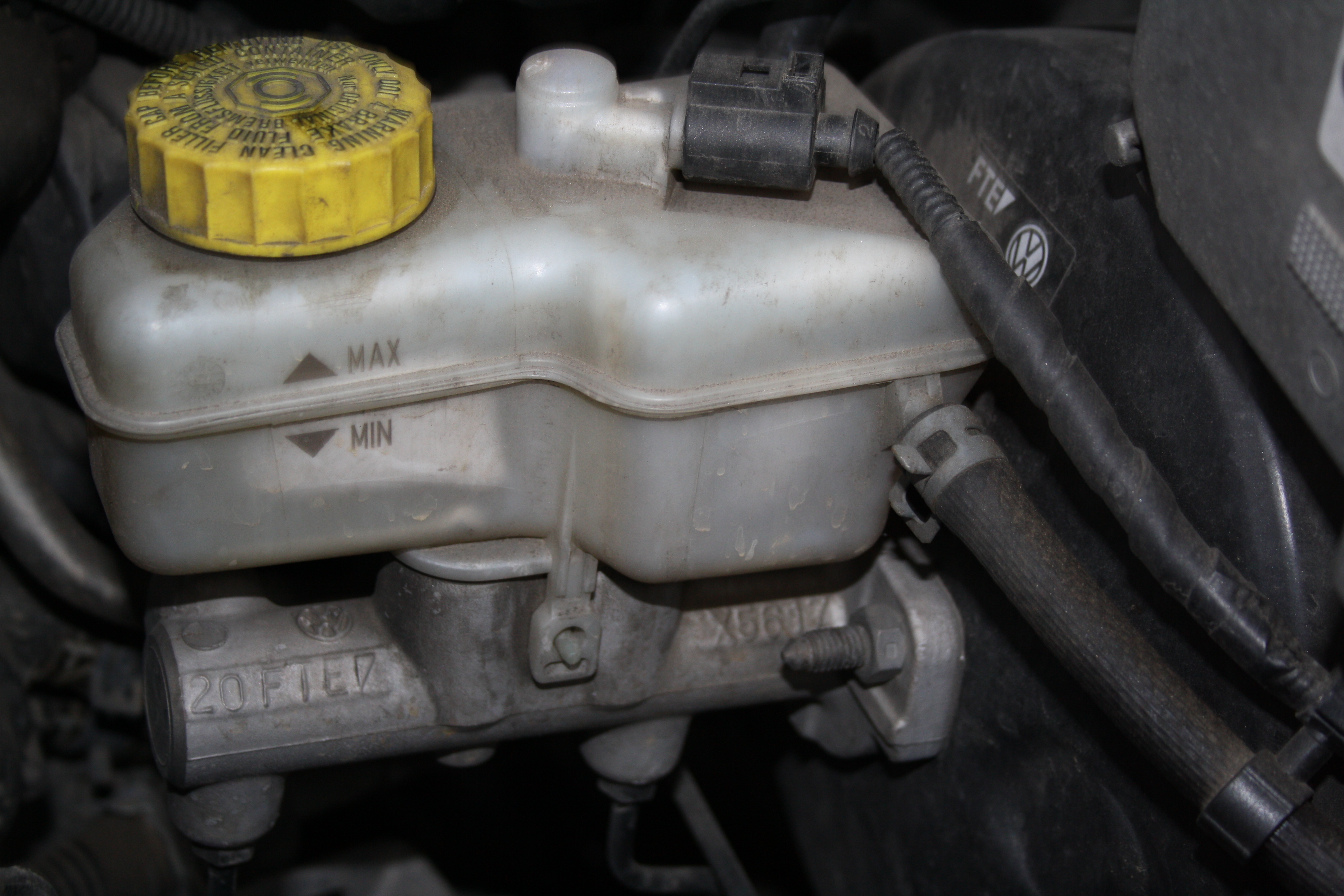
What's the normal brake fluid level and color?
The normal brake fluid level is between the "MIN" and "MAX" marks molded into the side of the reservoir. The normal color is clear to light amber — new fluid looks almost like a light cooking oil. If your fluid is dark brown or black, it has absorbed moisture from the air over time (brake fluid is hygroscopic) and should be flushed and replaced. Dark fluid is the single most common thing you'll spot in an older car, especially here in humid South Florida.
How to check the brake fluid level?
To check the brake fluid level, follow these steps: 1. Locate the brake fluid reservoir under the hood of your car. It's usually on the driver's side or in the center. 2. Open the reservoir cap and look for the "MIN" and "MAX" marks. 3. Check the fluid level against the marks. If it's low, you'll need to add brake fluid. 4. Make sure to use the correct type of brake fluid for your car. The most common type of brake fluid is DOT 3 or DOT 4.Why does brake fluid color matter?
Brake fluid color is your quick read on the fluid's age and condition. Fresh fluid is clear to light amber. Over time it absorbs moisture from the air — faster in our humid climate — and turns dark brown or black. Moisture-laden fluid has a lower boiling point, which can lead to a soft or spongy pedal under hard braking. Checking the color takes ten seconds and tells you whether you're due for a flush, so make it part of your routine under-hood checks.
What to do if the brake fluid level is low?
If the brake fluid level is low, you'll need to add brake fluid. Make sure to use the correct type of brake fluid for your car and follow the manufacturer's instructions. You can purchase brake fluid at most auto parts stores or online. When adding brake fluid, be sure to check the level regularly to avoid overfilling.DIY video guide
What the video shows
The video above, "How do I Check my Brake Fluid" by A Skilled Life, is a straightforward DIY walkthrough. It shows where to find the brake fluid reservoir under the hood, how to read the level against the MIN and MAX marks, and what to look for when judging the fluid's condition. Watching it once before you pop your own hood will make the whole check feel familiar.