It’s a sweltering afternoon in Aventura, and you’re pulling into your driveway after a long day. The car’s been running hotter than usual lately, and you’ve noticed the temperature gauge creeping closer to the red zone. You know something’s off—but before you call for mobile auto care, you want to check the basics first. The coolant level is one of the easiest things to verify yourself, and it’s a good place to start.
The coolant level should be checked only when the engine is cold—never hot. With the engine off and the vehicle parked on level ground, locate the coolant reservoir (usually a translucent plastic tank near the radiator) and check the "MIN" and "MAX" marks. If the coolant level is below "MIN," top it off with the correct coolant mix (never water alone). Always use the coolant recommended in your owner’s manual.
Why checking coolant level matters
Coolant isn’t just water—it’s a special mix designed to keep your engine from overheating, even in South Florida’s brutal summer heat. When coolant levels drop, your engine runs hotter, which can lead to serious problems like a blown head gasket or even engine failure. That’s why checking it regularly is a simple way to avoid a costly repair—and a breakdown on a busy Aventura street.
Most engines lose coolant over time due to small leaks, evaporation, or normal wear. If you’ve noticed your vehicle running hotter than normal, a low coolant level could be the culprit. But here’s the key: you can only check it safely when the engine is completely cold. Checking it when the engine is warm or hot can cause severe burns and damage to the cooling system.
What you’ll need to check coolant level
Before you start, gather these supplies:
- A clean rag or paper towel (to avoid spills)
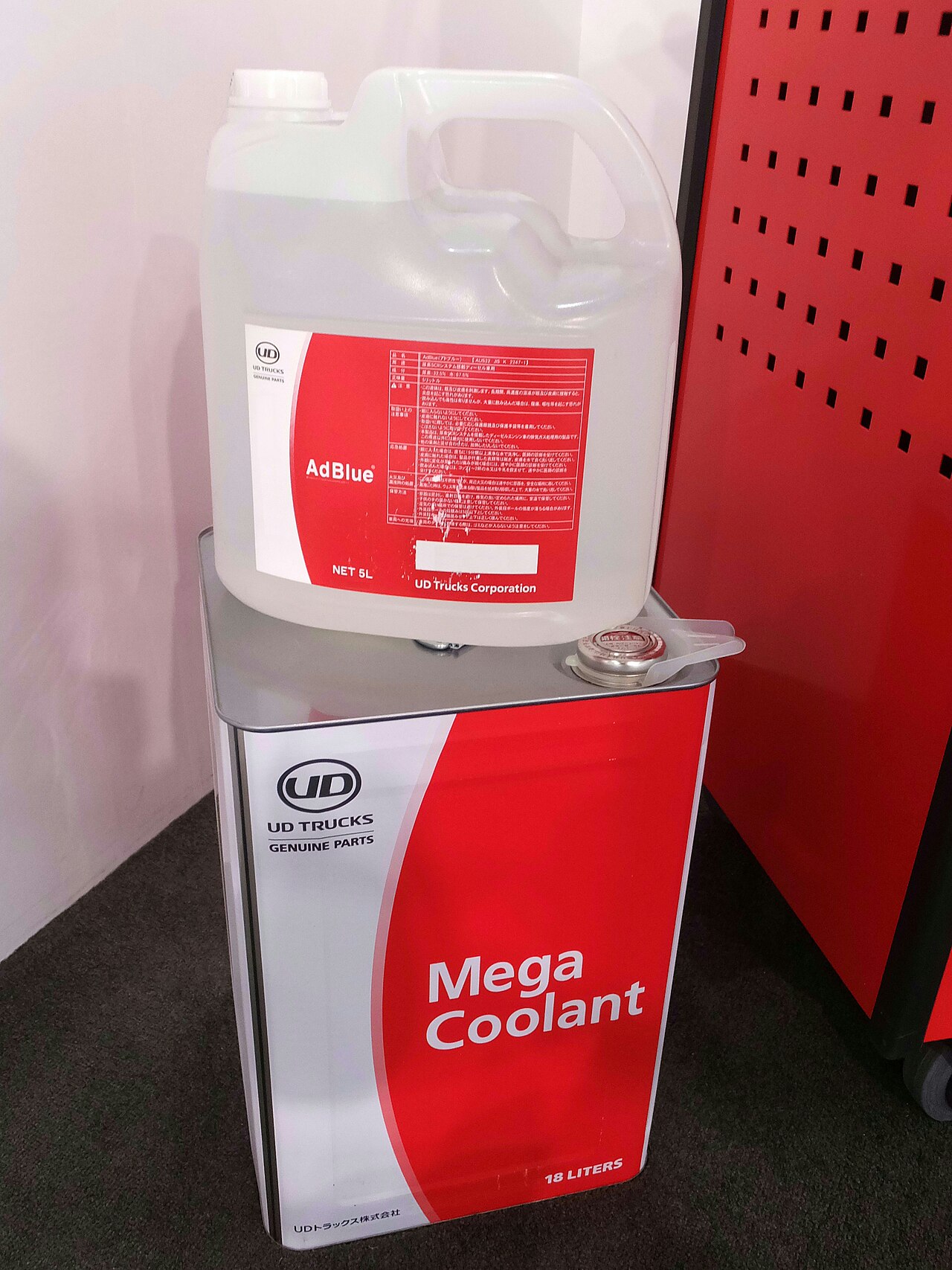
- The correct coolant mix (check your owner’s manual—never use plain water)
- A funnel (if topping off)
If you don’t have the right coolant on hand, don’t guess—use the wrong mix, and you could damage your cooling system. If you’re unsure, we’ll have the right coolant ready when you call.
Step-by-step: How to check coolant level
Step 1: Park on level ground and let the engine cool
Pull into your driveway or a safe, flat spot. Turn off the engine and wait at least 30 minutes for it to cool completely. Touching hot coolant can cause serious burns—never check it when the engine is running or warm.
Step 2: Locate the coolant reservoir
The coolant reservoir is usually a translucent plastic tank near the radiator, often labeled with a picture of water or a temperature gauge. If you can’t find it, check your owner’s manual for the exact location.
Step 3: Wipe the reservoir cap clean
Before opening the cap, wipe it with a clean rag to remove any dirt or debris. This prevents contaminants from entering the system when you remove the cap.
Step 4: Check the coolant level
Look at the "MIN" and "MAX" marks on the side of the reservoir. The coolant level should be between these two lines. If it’s below "MIN," you’ll need to add more coolant.
Important: Never remove the radiator cap when the engine is hot—this can release pressurized steam and cause burns. Always wait until the engine is completely cool.
How to top off coolant properly
If the coolant level is low, here’s how to add more:
Step 1: Use the correct coolant mix
Never use plain water—it can damage your cooling system. Instead, use the coolant recommended in your owner’s manual. If you’re unsure, we can provide the right mix when you call.
Step 2: Add coolant slowly
Use a funnel to add coolant to the reservoir until it reaches the "MAX" line. Overfilling can cause leaks or pressure issues.
Step 3: Start the engine and check for leaks
Once you’ve topped off the coolant, start the engine and let it run for a few minutes. Check under the hood for any signs of leaks. If you see coolant dripping or pooling, there may be a leak in the system.
What if the coolant level keeps dropping?
If you’ve topped off the coolant and it’s still low after a short drive, there might be a leak in your cooling system. Common signs of a coolant leak include:
- Coolant puddles under your vehicle
- White smoke coming from the engine
- A sweet smell inside the cabin
If you notice any of these, don’t wait—call us for a mobile inspection. Ignoring a coolant leak can lead to overheating and costly engine damage.
What if the coolant is dirty or discolored?
Over time, coolant can become dirty or discolored, which means it’s time for a flush. If the coolant looks milky, rusty, or has debris in it, it’s no longer effective at protecting your engine. In this case, we recommend a professional coolant flush to ensure your cooling system is clean and functioning properly.
Coolant should typically be changed every 5 years or 60,000 miles, depending on the type. If you’re unsure when it was last changed, we can check it for you during a mobile service visit.
The video above is a beginner-friendly walkthrough of checking your engine coolant level — where the coolant cap and reservoir sit under the hood, how to read the level against the MIN and MAX marks, and why the engine must be fully cold before you open anything. It's aimed at first-timers, which makes it a nice visual companion to the steps above.
The video reinforces the same rules this guide follows:
- Always check coolant when the engine is cold
- Use a clean rag to wipe the cap before removing it
- Top off with the correct coolant mix, not water
- Never remove the radiator cap when the engine is hot
- Check for leaks after topping off the coolant
When to call us
While checking your coolant level is a simple task, there are times when you should call (786) 892-8110 for professional help. If you notice any of the following, we can inspect your cooling system and ensure it’s working properly:
- Coolant leaks under your vehicle
- Your engine is running hotter than normal
- The coolant is dirty, discolored, or has debris
- You’re unsure about the type of coolant to use
- You need a coolant flush or system inspection
Our mobile auto care team serves Aventura and nearby areas, so we’ll come to you. Don’t wait until your engine overheats—call us today for a quick and reliable checkup.
```